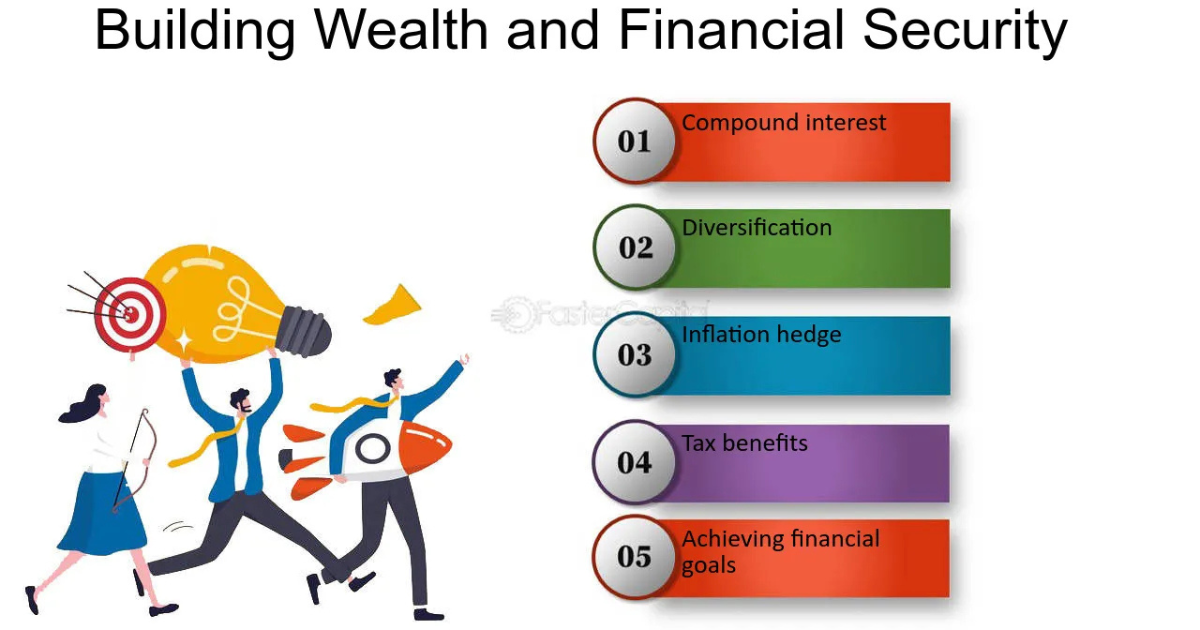
When you’re single, financial planning looks a little different. You don’t have to balance a partner’s income or shared expenses—but that also means full responsibility for your financial security rests on your shoulders. Whether you’re fresh out of university, well into your career, or rebuilding after a major life change, having a solid plan can help you achieve financial independence and peace of mind.
Here’s a complete guide to managing your money as a single person—from budgeting to investing for the future.
1. Build a Realistic Budget
The first step in any financial plan is understanding where your money goes. Start by tracking your monthly income and expenses. Categorize your spending into essentials (rent, utilities, groceries), savings and debt payments, and discretionary items (entertainment, dining out, travel).
The 50/30/20 rule is a great starting point:
-
50% of income on needs
-
30% on wants
-
20% on savings or debt repayment
Being single means you don’t have anyone to share bills with, so budgeting carefully is crucial to avoid financial strain.
2. Build an Emergency Fund
An emergency fund is your first line of defense against unexpected events—like job loss, medical expenses, or car repairs. As a single person, you can’t rely on a second income, so it’s wise to have at least three to six months’ worth of living expenses saved.
Keep your emergency fund in a high-interest savings account so it’s easily accessible but still earns a bit of interest.
3. Prioritize Insurance Protection
Many singles overlook insurance, but it’s vital for long-term security.
-
Health insurance: Always have adequate coverage for medical emergencies.
-
Life insurance: Even if you don’t have dependents, it can cover debts or funeral costs.
-
Income protection: Consider disability or critical illness insurance if you rely solely on your income.
Insurance ensures that a single event doesn’t derail your financial stability.
4. Pay Off High-Interest Debt
High-interest debts—like credit cards or personal loans—can quickly eat into your savings. Focus on clearing these first using the avalanche method (paying off the highest-interest debts first) or snowball method (starting with the smallest balances for motivation).
Once debts are under control, redirect that money toward savings and investments.
5. Save and Invest for the Future
Being single gives you full control over your financial goals, so make your money work for you.
-
Start investing early. The sooner you begin, the more time compound growth has to work in your favor.
-
Consider retirement accounts. Contribute to pensions, IRAs, or workplace schemes for long-term growth.
-
Diversify your investments. Spread your money across stocks, bonds, and index funds to balance risk and reward.
You don’t need to be wealthy to invest—consistency matters more than amount.
6. Plan for Big Life Goals
Even without family obligations, you might have major goals like buying a home, traveling the world, or starting a business. Map out a savings plan for each, prioritizing based on importance and timeline.
For example:
-
Short-term goal (1–3 years): Save for a vacation or emergency cushion.
-
Medium-term (3–7 years): Save for a house deposit.
-
Long-term (10+ years): Invest for retirement or wealth growth.
7. Write a Will and Plan Your Estate
It may feel premature, but estate planning is essential. Without a will, your assets may not be distributed as you wish. Even if you don’t have dependents, decide who should receive your property, savings, or digital assets.
If your finances grow more complex, consult a solicitor for proper legal guidance.
8. Keep Learning and Adjusting
Financial planning isn’t a one-time task—it’s an ongoing process. Revisit your budget and goals every six months, especially after major changes like a new job or move. Stay informed about taxes, investment trends, and saving strategies.
Final Thoughts
Financial independence as a single person isn’t just about security—it’s about freedom. With no one else’s finances to rely on or manage, you have the power to shape your future on your own terms. By budgeting wisely, building savings, and investing early, you’ll be well-prepared for both the expected and the unexpected.