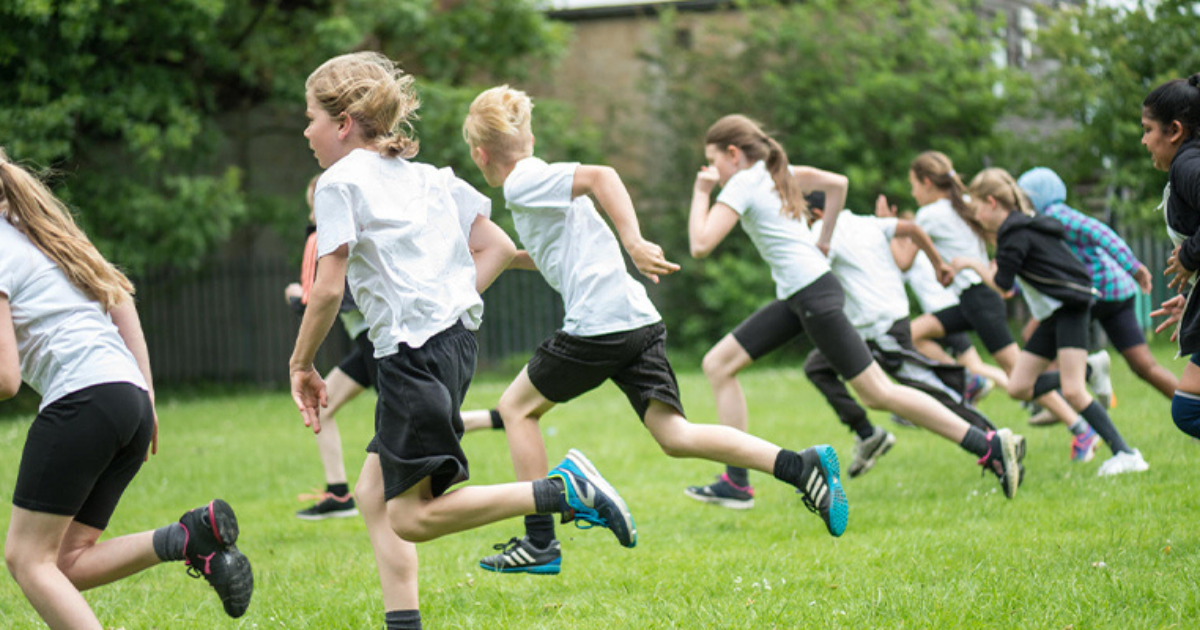
Sports and physical education (PE) play a vital role in shaping students’ overall development in the UK. Beyond improving physical fitness, PE helps build teamwork, leadership, discipline, and mental resilience. Over the past few decades, the UK government and educational bodies have recognized this importance, investing significantly in sports funding and school-based physical education programs. But how exactly does this system work, and what impact does it have on students and schools? Let’s explore.
1. The Importance of Physical Education in Schools
Physical education is a core component of the UK school curriculum, designed to promote health, fitness, and well-being. PE lessons not only introduce students to a variety of sports—from football and athletics to dance and gymnastics—but also emphasize lifelong fitness habits and healthy lifestyles.
In addition to the physical benefits, PE supports social and emotional development. Students learn teamwork, leadership, and perseverance. Regular exercise has also been linked to better concentration, improved behaviour, and higher academic performance. Many schools report that students who engage in sports show greater confidence and stronger interpersonal skills.
2. Government Sports Funding in the UK
To ensure that schools can deliver quality PE lessons and extracurricular sports, the UK government provides targeted funding at both primary and secondary levels.
One of the most well-known initiatives is the Primary PE and Sport Premium, introduced in 2013. This funding is allocated to primary schools across England to improve the quality of PE and sports provision. Each school receives a set amount annually, which can be used to:
-
Hire qualified sports coaches
-
Train teachers in PE delivery
-
Purchase new sports equipment and facilities
-
Organize inter-school sports competitions
-
Introduce new activities like yoga, swimming, or martial arts
For secondary schools, sports funding often comes through local authorities, partnerships with organizations like Sport England, and community programs that aim to increase participation and promote talent development.
3. Sport England and Other Key Organizations
Sport England plays a major role in promoting physical activity across schools and communities. It works closely with the Department for Education (DfE) and other partners to fund projects that make sports accessible to all young people.
For example, Sport England’s School Games Programme encourages competition at local, regional, and national levels, involving millions of pupils every year. This initiative helps identify young talent and nurtures their athletic potential through structured training and participation.
Similarly, organizations like the Youth Sport Trust support schools by providing training resources and advocacy for inclusive, high-quality physical education. Their goal is to make every child more active, regardless of background or ability.
4. Addressing Inequality in Sports Access
While sports funding has improved opportunities nationwide, challenges remain. Not all schools have equal access to high-quality facilities, coaches, or extracurricular programs. Schools in disadvantaged areas often struggle with limited budgets and space.
To address this, the UK government and charitable organizations have launched inclusion initiatives that focus on gender equality, disability access, and community engagement. For instance, campaigns like “This Girl Can” and Active Partnerships work to break barriers and encourage participation among underrepresented groups.
Moreover, many schools now partner with local sports clubs and community centres, creating shared spaces that benefit both students and residents.
5. The Long-Term Benefits of School Sports
The impact of strong PE programs extends beyond the classroom. Students who participate in sports are more likely to stay active as adults, reducing the risk of obesity and lifestyle-related diseases.
In addition, sports nurture essential life skills such as teamwork, leadership, and time management—all of which translate into future success in academics, careers, and personal development. Many successful British athletes, from Olympic champions to Premier League players, first discovered their talents through school sports programs supported by national funding.
6. The Future of Sports in UK Education
Looking ahead, the UK government aims to make physical education even more inclusive and sustainable. Recent plans include expanding sports funding, enhancing teacher training, and integrating mental well-being into PE lessons. Schools are also encouraged to collaborate with digital platforms to track student activity and promote fitness through modern technology.
The overall vision is to ensure that every child in the UK—regardless of background—has the opportunity to participate in sports, stay healthy, and thrive.
Final Thoughts
Sports funding and physical education in UK schools are more than just policy measures—they’re investments in the nation’s future. By promoting active lifestyles, teamwork, and resilience, these initiatives equip students with the skills and confidence needed for life beyond school.
With continued support from the government, educators, and organizations like Sport England, the UK can build a generation that values health, inclusivity, and the power of sport to bring people together.